Premium Rice Supplier & Exporter – Indosphere Global Trade.
Rice


Near Girls degree College,Railway Road,Kandhla,Shamli,247775,Uttar Pradesh,India.
+91 9557002722
info@indosphereglobaltrade.com

Rice

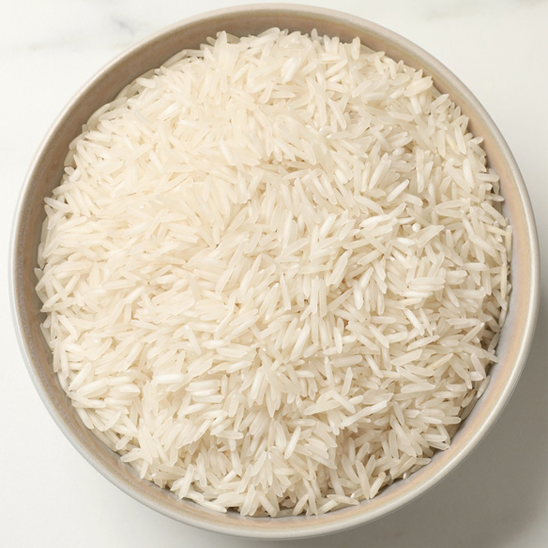
Basmati rice is a long-grain aromatic rice variety traditionally grown in the Indian subcontinent, especially in the foothills of the Himalayas in India and Pakistan, where the unique soil, climate, and water conditions give it its distinctive qualities. The name “basmati” comes from the Sanskrit word vasmati, meaning “fragrant,” and this aroma—often described as nutty or popcorn-like—is due mainly to a natural compound called 2-acetyl-1-pyrroline. Compared to other rice types, basmati grains are slender and can grow up to nearly twice their original length when cooked, while remaining separate and fluffy rather than sticky.
Nutritionally, basmati rice has a relatively low to medium glycemic index, especially in its brown form, making it a preferred choice for people managing blood sugar levels. It is also low in fat, naturally gluten-free, and provides carbohydrates for energy along with small amounts of protein, B vitamins, and essential minerals. Aging basmati rice for one to two years is a common practice, as it enhances flavor, aroma, and cooking performance. Because of its texture, fragrance, and ability to absorb flavors without becoming mushy, basmati rice is widely used in dishes such as biryani, pilaf, and pulao, and it holds cultural, culinary, and economic importance across South Asia and in global cuisine.
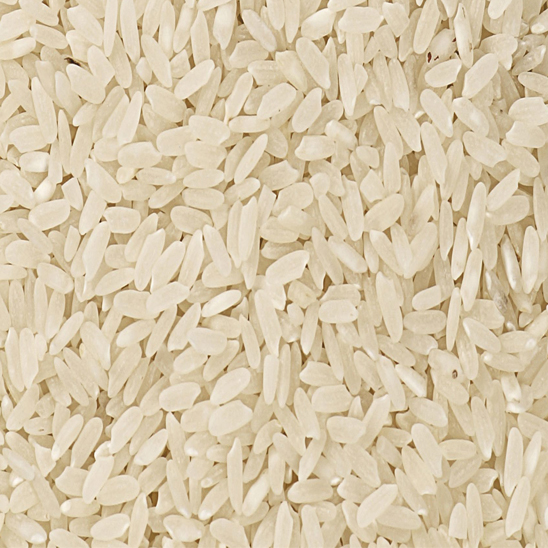
Non-basmati rice refers to a broad group of rice varieties that differ from basmati in grain length, aroma, texture, and cooking behavior, and these varieties are cultivated widely across Asia, Africa, Europe, and the Americas. Unlike basmati, non-basmati rice is generally non-aromatic and can be short-, medium-, or long-grained, with grains that tend to become softer, stickier, or more compact when cooked due to higher amylopectin content. Popular non-basmati types include IR64, Sona Masuri, Ponni, Japonica, Jasmine (aromatic but non-basmati), and various parboiled and broken rice forms, each suited to specific culinary uses. Nutritionally, non-basmati rice provides a major source of carbohydrates and energy for much of the world’s population and contains small amounts of protein, B-complex vitamins, iron, and magnesium, with brown non-basmati rice offering higher fiber and micronutrient content than white rice.
Many non-basmati varieties have a higher glycemic index compared to basmati, though this varies by processing method and grain type, with parboiled rice often showing a lower GI. Agriculturally, non-basmati rice is favored for its higher yields, shorter growing cycles, and adaptability to diverse climates, making it economically important for food security and global trade. Because of its versatility, texture, and affordability, non-basmati rice is commonly used in everyday meals such as steamed rice, fried rice, rice cakes, porridges, and fermented products, playing a vital role in daily diets and traditional cuisines around the world.